What's the difference between asphalt resurfacing and full replacement?
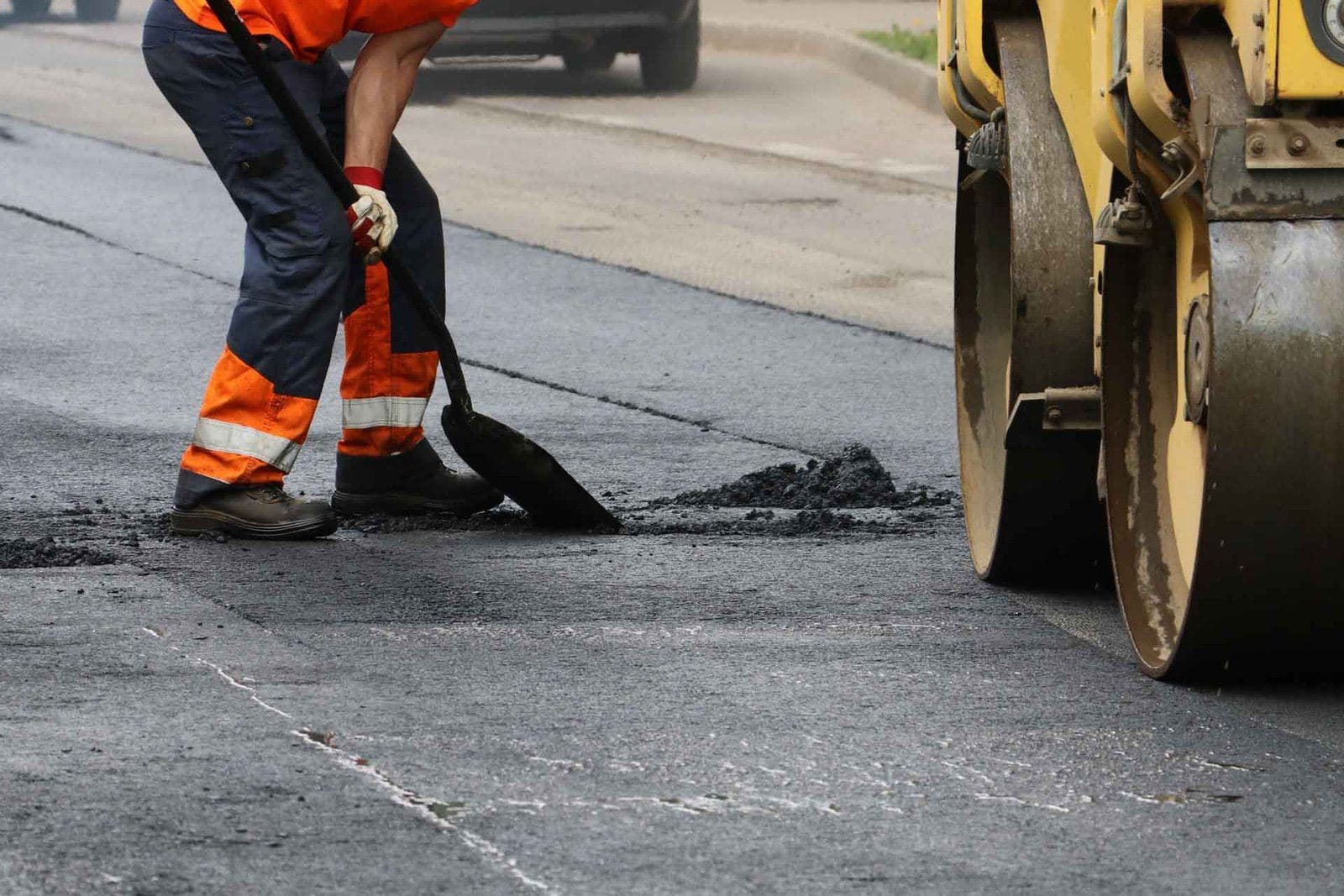
Resurfacing adds a new asphalt layer over an existing, structurally sound base. Full replacement removes the old asphalt and rebuilds the base and surface from the ground up. The base condition, not the surface appearance, determines which one you need.
Is resurfacing cheaper than replacement?
Generally yes, because resurfacing reuses the existing base instead of removing and rebuilding it. But resurfacing a lot with a failed base is a short-term fix that fails again quickly, which ends up costing more over time than doing the replacement correctly the first time.
How long does a resurfaced lot typically last?
A properly installed overlay on a sound base typically extends pavement life by many years, especially with routine sealcoating and crack maintenance afterward.
This is one of the most common calls we get from property managers: the lot looks bad, someone on the ownership side wants a number, and nobody's sure whether they're looking at a routine maintenance expense or a full capital project. The surface can look almost identical in both cases. What's actually happening underneath it is where the real answer lives.
The One Question That Decides Everything: Is the Base Still Sound?
Asphalt pavement is really two systems stacked on top of each other: the compacted base underneath, and the asphalt surface on top. The surface takes the visible wear — cracking, fading, raveling. The base takes the structural load, and it's largely invisible until it fails.
Resurfacing only works when the base is still doing its job. If the base has shifted, settled unevenly, or lost its load-bearing capacity, laying new asphalt on top of it just buys a year or two before the same problems telegraph back up through the new surface. That's why a real evaluation — not a windshield estimate — has to happen before anyone recommends one path or the other.
Signs Your Lot Is a Resurfacing Candidate
These signs point toward a stable base with surface-level wear — a good fit for resurfacing:
Resurfacing is usually the right call when you see:
- Widespread fading, graying, or minor surface cracking without deep structural cracking
- No standing water or visible sinking in specific areas
- Cracks that are cosmetic or shallow rather than reaching down into the base
- A lot that was structurally sound within the last several years with no major drainage changes since
Signs You've Moved Past Resurfacing and Need Full Replacement
Alligator cracking — the interlocking, reptile-skin pattern of cracks — is one of the clearest tells that the base has failed, not just the surface. Standing water that doesn't drain, visibly sunken sections, and potholes that keep reopening after patching are all signs the problem lives below the asphalt, not on top of it.
Full replacement is typically the honest answer when:
- Alligator cracking covers meaningful sections of the lot
- Sections are visibly sunken, rutted, or holding water after rain
- Patches keep failing in the same spots within a season or two
- The asphalt was installed decades ago with no record of the base condition
What a Professional Evaluation Actually Checks
A real evaluation goes beyond a visual walk-through. We look at crack patterns and depth, check for soft or spongy spots that indicate base saturation, assess drainage and grading, and factor in the lot's traffic load and age. That combination is what separates a lot that just needs a fresh look from one that needs to be rebuilt from the base up — including new parking lot construction where a full rebuild is the right call.
Why Choose Swartz Paving
We've spent more than a decade evaluating Ohio parking lots and driveways under exactly this kind of freeze-thaw stress, which means we're not guessing at whether a base will hold — we've seen how bases like yours perform over years, not just at the moment of inspection. We'll tell you honestly when resurfacing is the smarter, lower-cost path, and we'll tell you just as honestly when it isn't, because a resurfacing job that fails in two years costs everyone more than doing it right the first time.
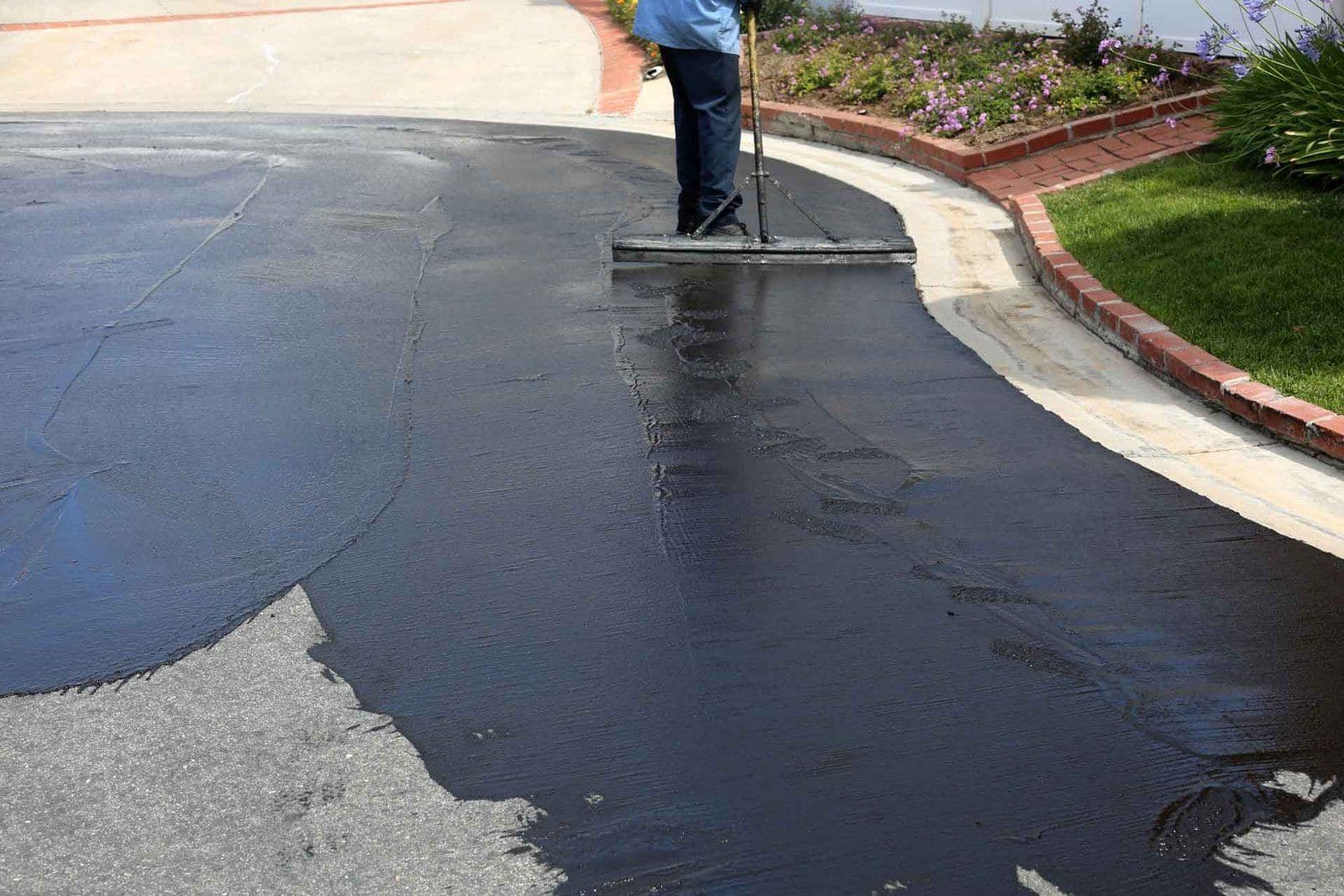
Once new asphalt is down, keeping it protected is a straightforward next step — see our guide on how often to sealcoat asphalt in Ohio to plan the maintenance cycle that keeps a new surface from needing this same conversation again in five years.
Ready to Talk Through Your Pavement Project?
Request a free estimate and we’ll follow up with next steps.