How often should asphalt be sealcoated in Ohio?
Most asphalt surfaces in Ohio should be sealcoated every two to three years. Lots with heavy traffic, full sun exposure, or early graying often need it closer to every two years, while lightly used driveways can sometimes stretch to three.
Can you sealcoat asphalt that already has cracks?
Not without prep work first. Cracks should be cleaned and filled before sealcoating, otherwise the coating just bridges over an opening that's still letting water into the base.
What happens if asphalt is never sealcoated?
Unprotected asphalt oxidizes faster, turns gray and brittle, and lets water and fuel soak into the surface. Combined with Ohio's freeze-thaw cycles, that speeds up cracking and shortens the pavement's usable life.
Ask five contractors how often to sealcoat and you'll get five different answers, mostly because most of them are guessing based on a national average that has nothing to do with Ohio winters. The honest answer depends on your climate zone, how much traffic your lot sees, and what the asphalt is telling you if you know how to look. Here's how we actually make that call on properties across Sandusky and the rest of Ohio.
Why Ohio's Climate Sets the Sealcoating Clock
Asphalt is a petroleum product, and petroleum oxidizes when it's exposed to sun, air, and water over and over. Sealcoating exists to slow that process by putting a protective layer between the asphalt binder and the elements. In a mild, dry climate, that oxidation happens slowly. Ohio isn't that climate.
Between freezing winters and humid summers, Ohio asphalt goes through dozens of freeze-thaw cycles every year. Water gets into microscopic surface pores, freezes, expands, and works the asphalt loose from the inside — a process that speeds up dramatically once the surface starts oxidizing and losing its protective binder. That's the mechanical reason a two-to-three-year window works better here than the four-to-five-year interval you'll see recommended in warmer states.
The Real Signs Your Lot Is Due, Not Just the Calendar
The calendar is a starting point, not a rule. Two lots sealcoated the same month can wear at completely different rates depending on sun exposure, drainage, and how many vehicles cross them each day. Before scheduling by date alone, walk the lot and look for these signs:
Signs a lot is due for sealcoating:
- Surface has turned gray instead of deep black — a sign the protective oils have oxidized out
- Fine, spiderweb-style cracking across the surface (not yet the wider cracks that need filling first)
- Raveling — loose aggregate or a rough, sandpaper-like texture underfoot
- Water absorbing into the surface instead of beading or sheeting off
What Actually Happens During a Sealcoat Application
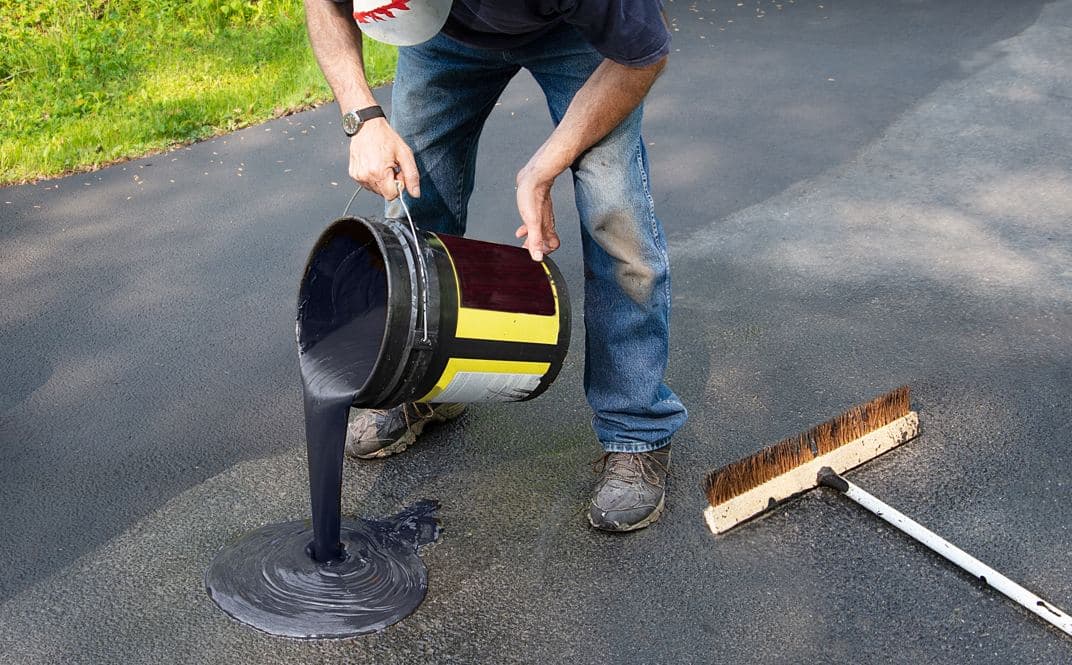
A sealcoat job that's rushed does almost nothing for the pavement underneath it. The surface has to be cleaned of debris and oil staining first, and any existing cracks need to go through crack filling before the coating goes down — otherwise you're sealing over an opening that's still feeding water into the base.
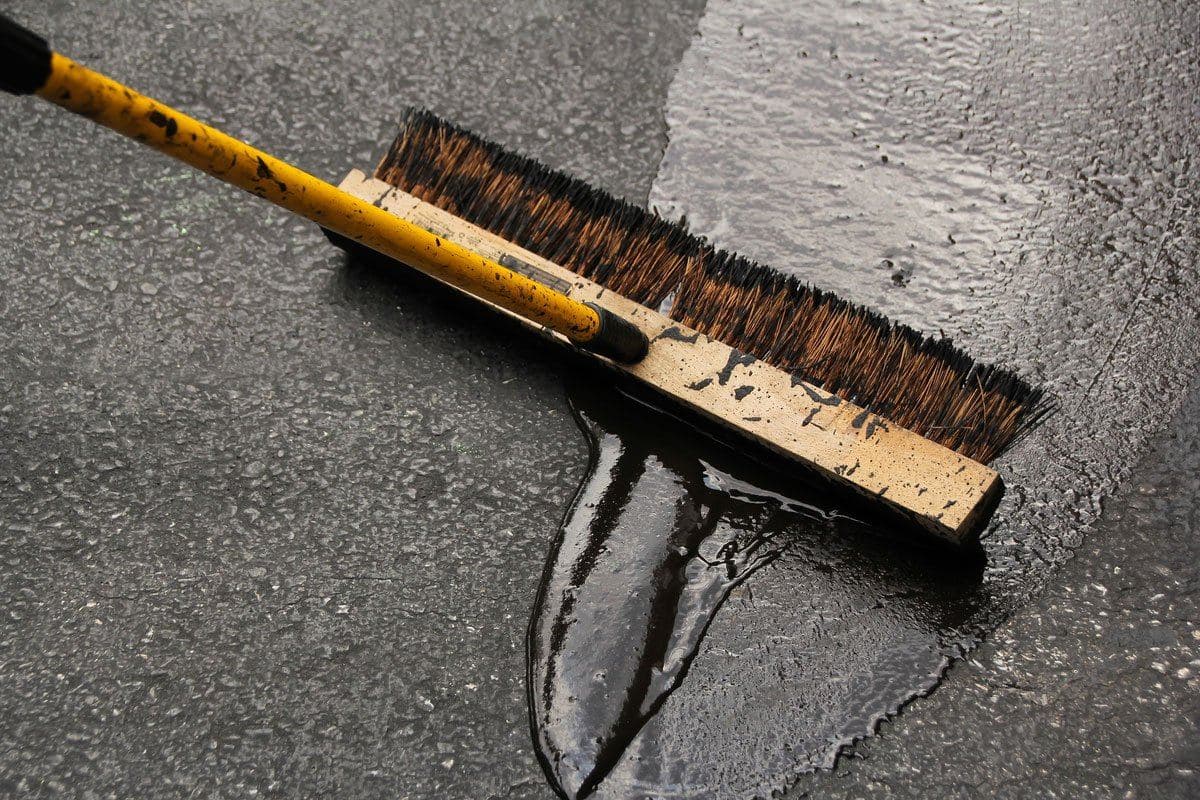
Once the surface is prepped, the sealcoat is applied evenly and given time to cure before the lot reopens to traffic. Cure time depends on weather, but most lots need to stay closed for at least 24 hours. Skipping that window is one of the most common ways a fresh sealcoat gets damaged before it's had a chance to set.
Why Choose Swartz Paving for Sealcoating in Ohio
We've been paving and maintaining asphalt across Sandusky and the rest of Ohio for more than a decade, which means we've watched the same lots go through a decade of freeze-thaw cycles and know which ones held up and which ones didn't. That's not a marketing line — it's the difference between a sealcoating schedule built on a national average and one built on how asphalt actually behaves in this climate.
Whether you're maintaining a single commercial lot or managing pavement across multiple properties — say, a portfolio that spans Sandusky out to Columbus — we can build a sealcoating interval around your actual traffic and exposure instead of a one-size-fits-all calendar reminder. For properties on a broader upkeep cycle, see our pavement maintenance programs.
Ready to Talk Through Your Pavement Project?
Request a free estimate and we’ll follow up with next steps.