Services
Sealcoating
Protective coating that slows oxidation and extends pavement life.
Quick Answer
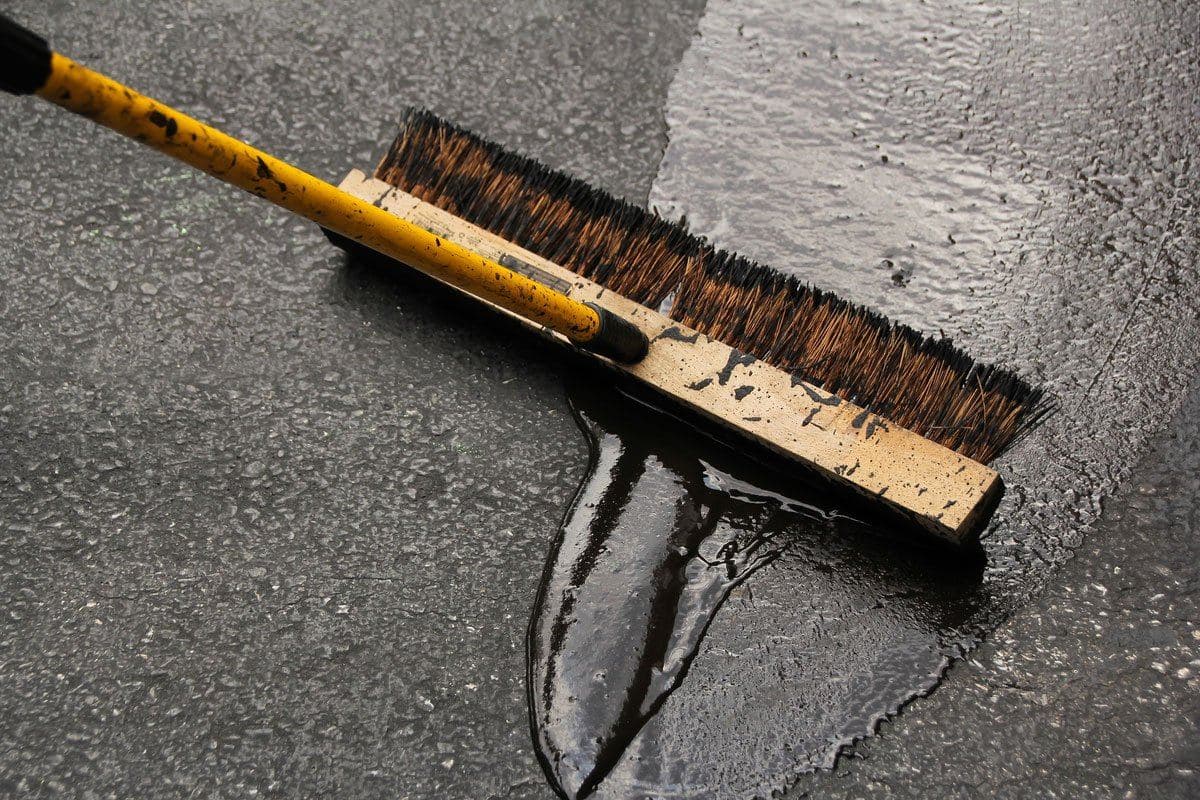
Sealcoating is a protective liquid coating applied over asphalt to slow oxidation and resist water, fuel, and UV damage. Most lots benefit from sealcoating every two to three years, and it's one of the most cost-effective ways to extend pavement life between resurfacing cycles.
Sealcoating applies a protective layer over asphalt to slow oxidation, resist water and fuel damage, and keep the surface looking finished.
Asphalt starts losing its flexible binder to sunlight and oxygen the day it's installed. That's what turns new black asphalt gray over a few years — and once it's brittle, cracking follows. Sealcoating on a regular cycle is cheap insurance against that process, which is why we treat it as maintenance, not a cosmetic add-on. We'll also tell you if your lot needs crack filling first, since sealing over open cracks just traps the problem underneath.
It often pairs well with crack filling, pavement maintenance, and asphalt resurfacing. We provide sealcoating for properties across Sandusky and our Ohio service areas.
What’s Included
- Surface cleaning before application
- Crack treatment prior to sealing where needed
- Even sealcoat application
- Cure time and traffic guidance
Ideal For
- Newer asphalt needing preventive protection
- Lots showing early oxidation or graying
- Scheduled pavement maintenance programs
Why Choose Swartz Paving for Sealcoating
- We check for cracks before sealing so water doesn't get trapped under the coating
- Even application without the streaking or pooling that comes from rushed jobs
- Clear guidance on cure time so you know exactly when the lot can reopen
Ready to Get Started on Your Sealcoating Project?
Request a free estimate and we’ll follow up with next steps.
Frequently Asked Questions
- How often should asphalt be sealcoated?
- Most lots benefit from sealcoating every two to three years, depending on traffic volume and Ohio's freeze-thaw weather exposure. High-traffic commercial lots on the shorter end of that range hold up better than lots left to go five-plus years between applications.
- How long before the lot can be used after sealcoating?
- Cure time depends on weather, but lots typically need to stay closed to traffic for at least 24 hours after application. Hot, dry conditions cure faster; cool or humid weather can extend that window. We'll give you a specific reopening timeline based on conditions on the day of your job.
- Does sealcoating actually make pavement last longer, or is it cosmetic?
- Both. Sealcoating slows the oxidation that makes asphalt brittle and resists water, fuel, and UV damage that accelerates cracking — but it also restores the clean, uniform black finish. It's genuine preventive maintenance, not just a cosmetic touch-up, which is why we recommend it on a schedule rather than only when a lot starts looking worn.
- Should sealcoating happen before or after crack filling?
- After. Cracks are filled first so the sealcoat forms a continuous protective layer over the repaired surface instead of sealing water into an open crack. We include a crack assessment as part of every sealcoating job for this reason.
- Can sealcoating be applied to any age of asphalt?
- New asphalt generally needs to cure for several months before its first sealcoat. After that, sealcoating works well on asphalt of most ages as long as the surface isn't already failing structurally — at which point resurfacing or repair becomes the better investment than sealing over damage.
Related Services
Crack Filling
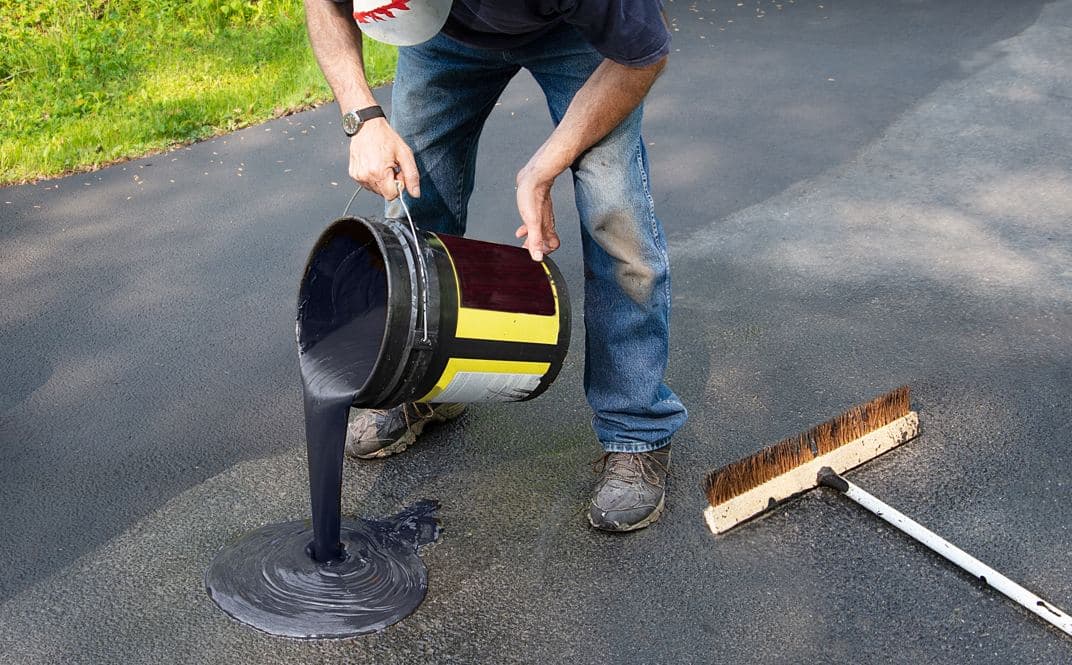
Stop water intrusion before it undermines the base.
Pavement Maintenance
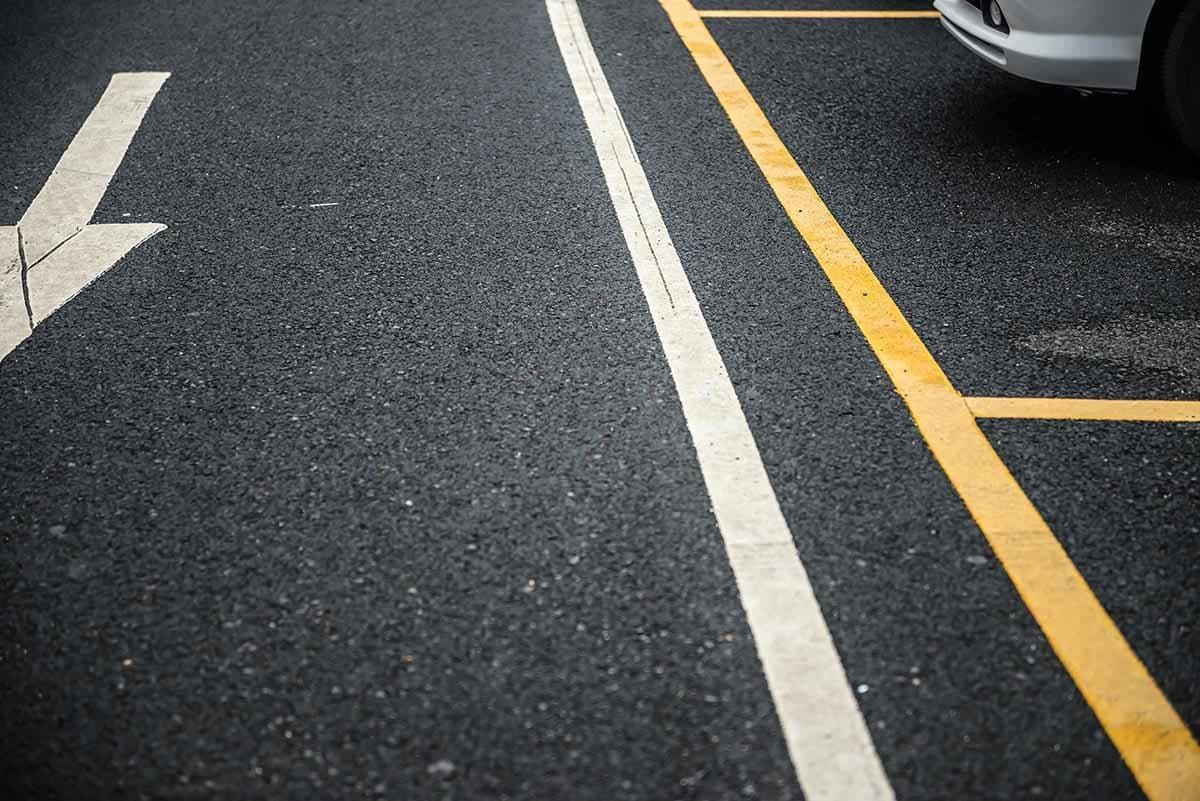
Scheduled upkeep programs that protect your paving investment.
Asphalt Resurfacing
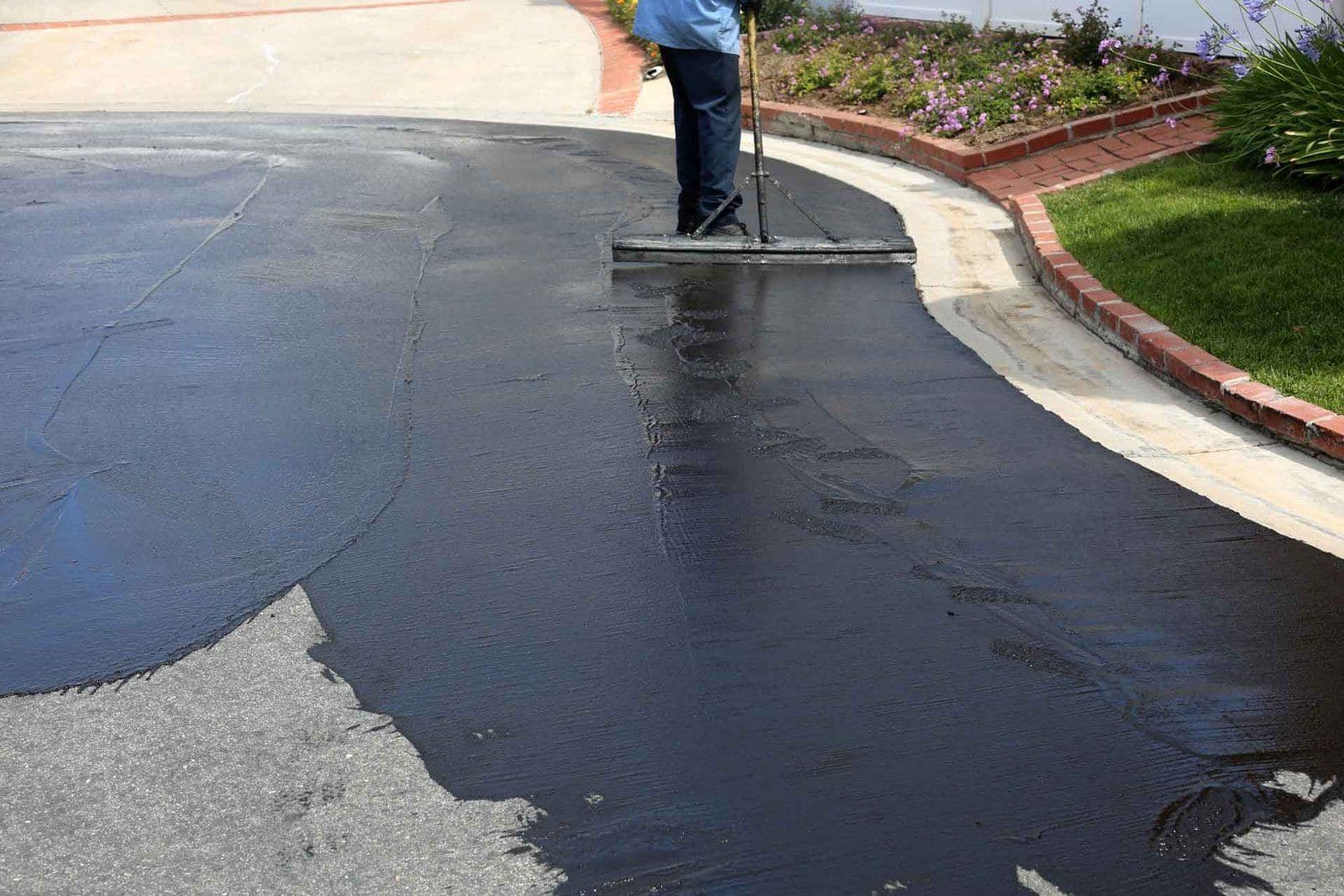
Restore a failing surface without a full tear-out.
Related Guides
Maintenance
How Often Should You Sealcoat Asphalt in Ohio? A Freeze-Thaw Guide
Most Ohio parking lots need sealcoating every 2-3 years. See how freeze-thaw cycles, traffic, and sun exposure change that timeline.
Driveways
New Asphalt Driveway Guide: Types, Timeline, and Curing in Ohio
What to expect installing a new asphalt driveway in Ohio — mix types, install timeline, cure time, and how to care for it the first year.
Asphalt 101
Types of Asphalt Paving Explained: Hot Mix, Sealcoating, and Chip Seal
Hot mix, sealcoating, and chip seal all involve asphalt but serve different jobs. Here's what each one is actually built for.