What are the main types of asphalt paving?
The core categories are hot mix asphalt for new construction and resurfacing, sealcoating as a protective maintenance layer over existing asphalt, and chip sealing as a lower-cost surface treatment for longer or lower-traffic stretches of pavement.
Is chip sealing the same thing as asphalt paving?
No. Chip sealing applies asphalt emulsion and aggregate over an existing base as a surface treatment, while asphalt paving installs a full hot mix layer. Chip seal is more budget-friendly but isn't a substitute for paving where full asphalt strength is needed.
What makes commercial-grade asphalt different from residential?
Commercial asphalt is engineered with a heavier base and often thicker lifts to handle daily truck, forklift, and heavy-vehicle traffic — loads that go well beyond what a residential driveway is built to take.
"Asphalt" gets used as a catch-all term, but hot mix paving, sealcoating, and chip sealing are three different processes built for three different jobs. Mixing them up is how a property ends up with the wrong repair for the actual problem. Here's what each one actually is, and when it's the right call.
Hot Mix Asphalt: The Standard for New Construction and Resurfacing
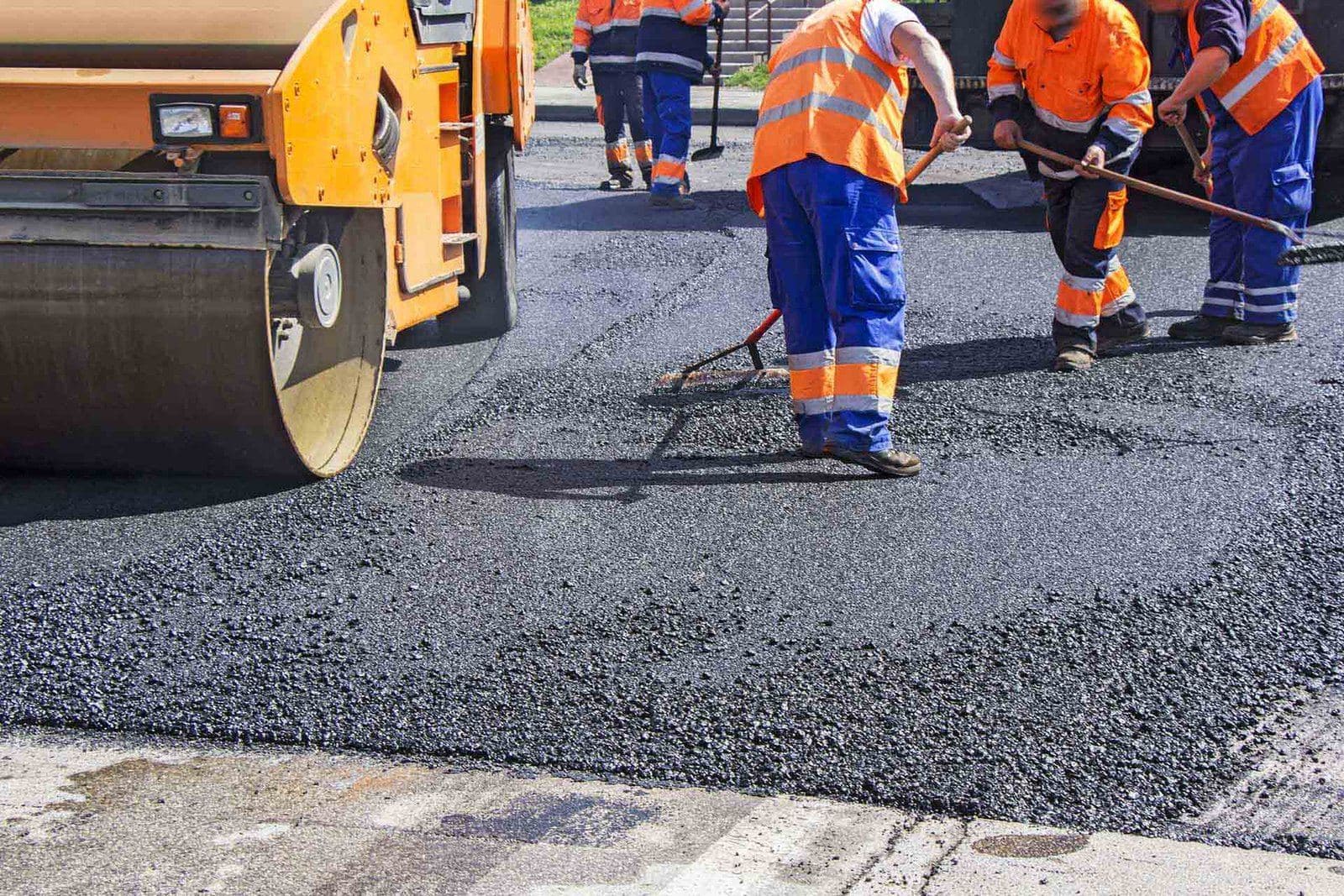
Hot mix asphalt is the material behind new commercial paving and asphalt resurfacing projects. It's heated, installed while workable, and compacted into a dense, durable surface built to carry vehicle traffic for years. When people say a lot is being "paved," this is almost always what they mean.
Sealcoating: Protecting Asphalt, Not Building It
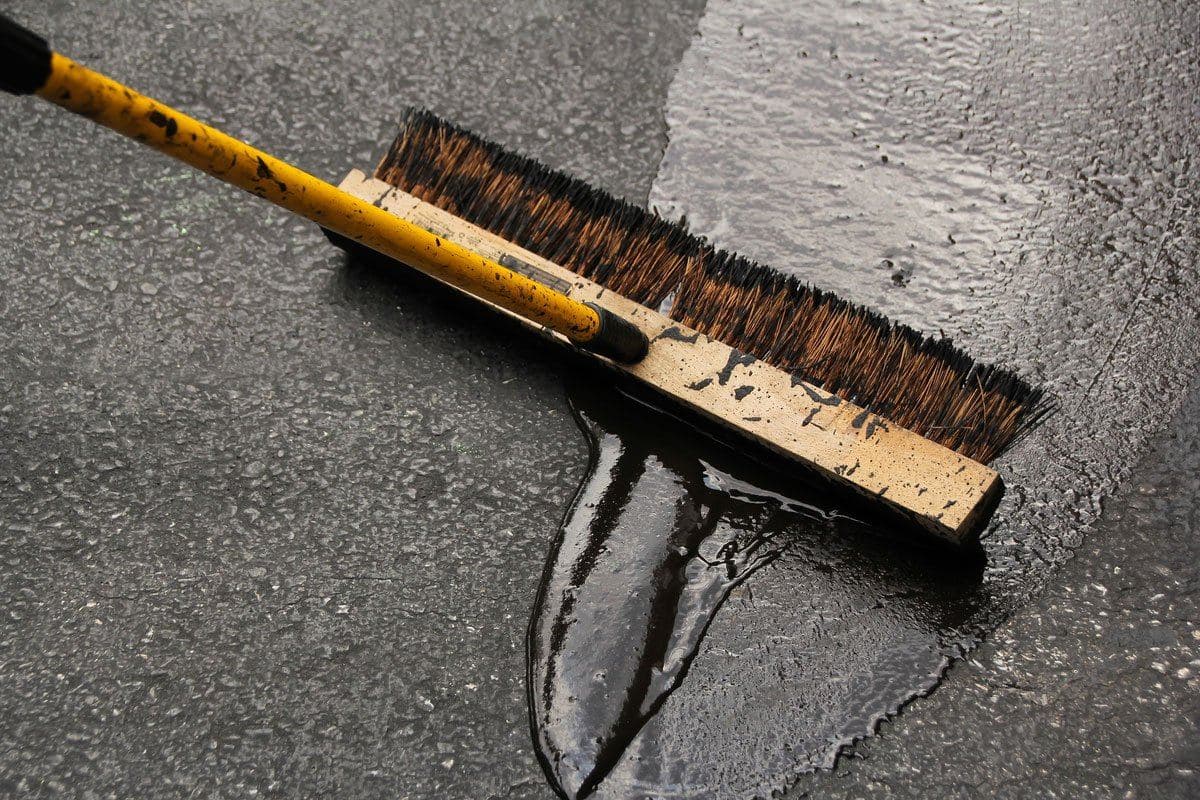
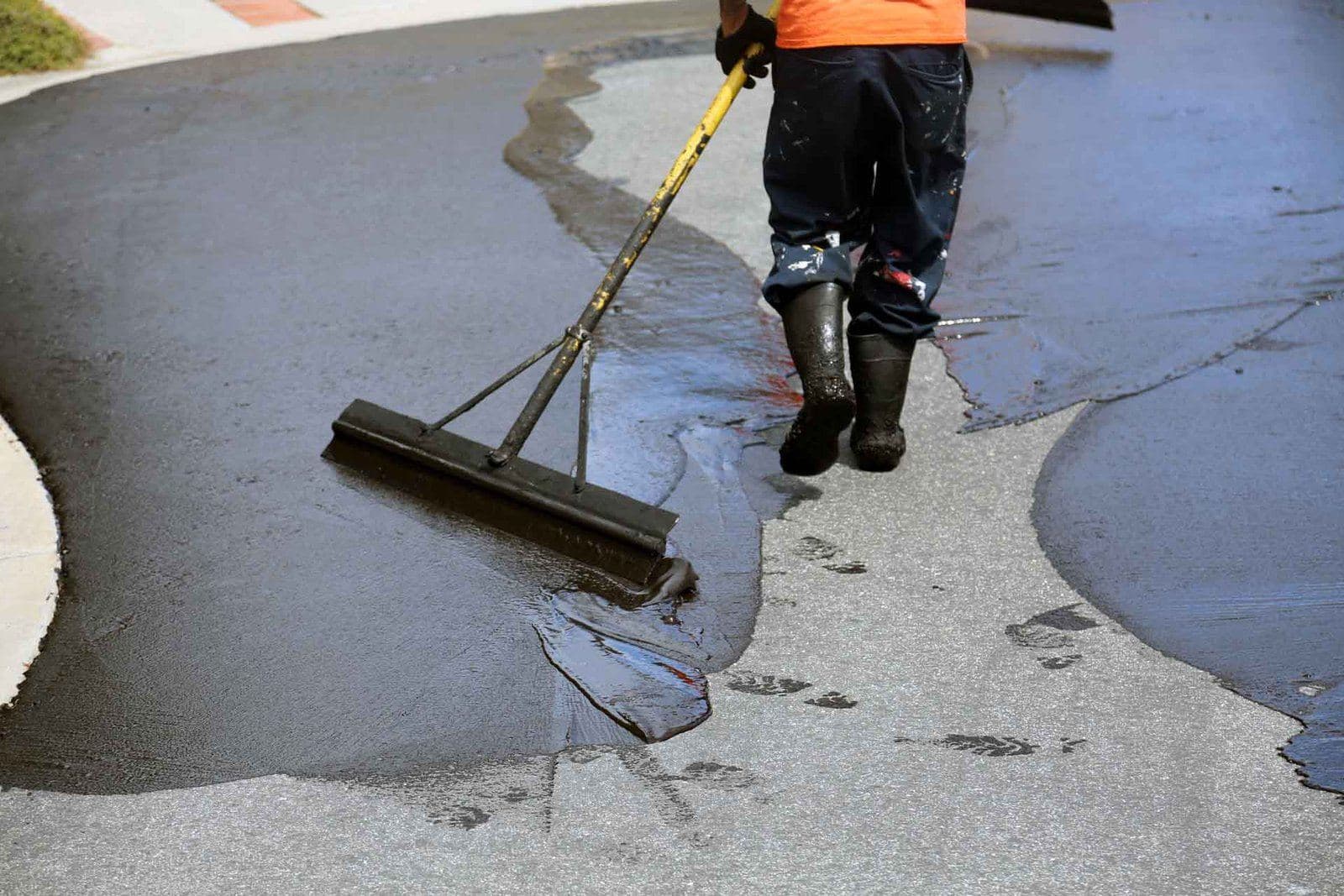
Sealcoating isn't a paving process at all — it's a protective coating applied over existing hot mix asphalt to slow oxidation and resist water and fuel damage. It extends the life of asphalt that's already there; it doesn't add structural strength or fix a failed base. See our guide on how often to sealcoat asphalt in Ohio for the maintenance side of this.
Chip Sealing: A Cost-Effective Option for Longer Stretches
Chip sealing spreads an asphalt emulsion followed by aggregate chips over an existing base, creating a durable surface treatment without the cost of a full hot mix installation. It's a common fit for long driveways, rural roads, and lower-traffic areas where full asphalt paving isn't the most cost-effective option.
Commercial vs. Residential: Why the Mix and Base Design Changes
A residential driveway and a commercial loading dock are not built the same way, even though both are technically "asphalt." Commercial and industrial surfaces are engineered with heavier, more thoroughly compacted bases and often thicker asphalt lifts, because they're absorbing daily truck traffic, forklift loads, and stationary equipment weight that a residential lot never sees. Specifying a residential-grade mix and base for a commercial application is a common shortcut that shows up later as rutting and premature failure.
Why Choose Swartz Paving
We've installed and maintained all three of these — hot mix paving, sealcoating, and chip sealing — across Sandusky and the rest of Ohio for more than a decade, which means we're not defaulting to whichever service is easiest to sell. We'll tell you plainly which one actually fits your property and your budget, including when the honest answer is a lower-cost option like chip seal instead of a full paving project.
Ready to Talk Through Your Pavement Project?
Request a free estimate and we’ll follow up with next steps.